💡 Fast Facts: Engaging With Parkinson’s
- What is Parkinson’s disease? Parkinson’s is a neurological disorder that primarily affects dopamine-producing neurons in the brain. While many associate it with tremors, it also affects non-motor functions, including mood, sleep and cognition.
- Activities support Parkinson’s: Engaging in activities you enjoy can stimulate the release of dopamine—the chemical that Parkinson’s affects. This can positively influence multiple areas of well-being, including physical, emotional, cognitive, social and spiritual health.
- Choosing the right Parkinson’s activities: The best activities blend personal interests with therapeutic benefits. Focus on what you enjoy most to make staying active feel natural and sustainable.
A diagnosis of Parkinson’s disease marks the beginning of a new chapter, but it certainly doesn’t mean the end of an active, fulfilling life. Many individuals discover that the right activities for Parkinson’s patients can improve mobility, boost mood and restore a sense of independence. From creative hobbies to gentle physical movement, staying engaged plays a vital role in overall well-being.
At Tutera, our YOUNITE philosophy is rooted in the belief that every resident has a unique story worth celebrating. We don’t just see a diagnosis; we see you. Through our Forever You initiative, we focus on senior living designed around what helps you live your best life. Whether you are a lifelong dancer, a curious gardener or a tech enthusiast, the best activities for Parkinson’s patients are those that blend therapeutic benefits with genuine enjoyment
What is Parkinson’s?
Parkinson’s disease is a progressive neurological disorder that occurs when the brain begins to produce less dopamine. Most people think of dopamine as the “feel-good” chemical, but it’s also the essential messenger that allows for smooth, coordinated movement and a steady mood.
This is where the power of dopamine-boosting activities comes into play. Think of fun, intentional engagement as a way to “refuel” your system. When you participate in an activity that sparks joy, your brain doesn’t just feel better—it functions better.
How Activities Help With Parkinson’s
- Physical: Improves balance, strength and range of motion
- Emotional: Boosts self-esteem and provides a sense of accomplishment
- Intellectual: Challenges the mind through dual-task engagement (moving and thinking simultaneously)
- Social: Builds authentic connections with others who share your journey
- Spiritual: Restores a sense of purpose and peace
The Best Activities for Parkinson’s: Finding Your Joy
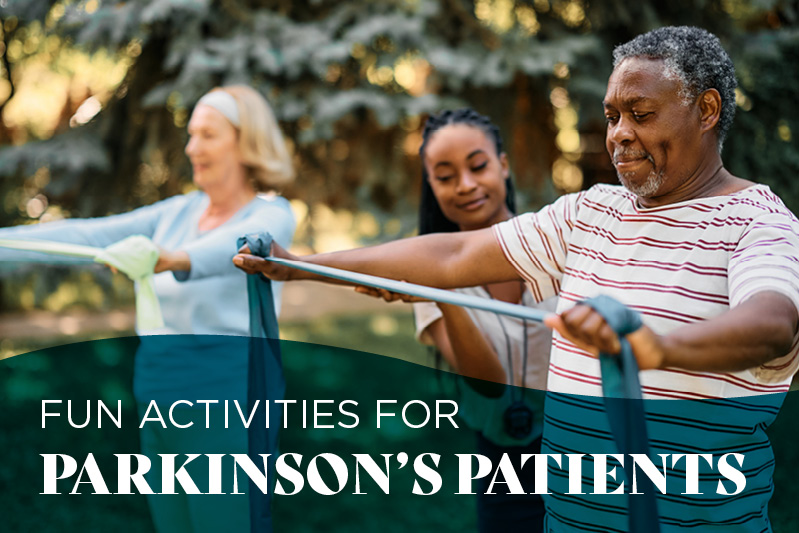
When Parkinson’s patients have fun, they are often doing more for their health than any clinical exercise could achieve alone. Here are some of the most effective and enjoyable ways to stay active.
Physical Activities: Movement & Balance
- Dancing for Parkinson’s: Whether it’s ballroom, line dancing or even chair-based movement, dance uses rhythm to help bypass freezing, a Parkinson’s symptom. It’s a perfect example of the “Feel Good Fitness” pillar of our Forever You program.
- Non-Contact Boxing: Programs like Rock Steady Boxing have gained fame for a reason. The forced intense exercise of punching a bag can improve hand-eye coordination and agility.
- Tai Chi and Yoga: These gentle practices focus on the social and emotional aspects of your health by combining balance training with mindful breathing. Studies have shown that activities like Tai Chi are actually incredibly beneficial to increasing dopamine levels and balancing the sympathetic and parasympathetic nervous systems.
Cognitive and Fine Motor Enrichment
- Gardening: Digging, planting and weeding are excellent sensory-driven activities that engage the senses of sight, smell and touch. Simultaneously activating the senses like this is great for brain health and dopamine levels.
- Artistic Expression: Painting or sculpting encourages fine motor skills. However, it is important that you remember to focus on the process of creating, not just the final result. Enjoying the process is what makes this one of the best activities for Parkinson’s patients.
- Dual-Tasking Games: Trying to solve a puzzle while listening to music or walking and talking at the same time can help the brain manage multiple streams of information, which is great for improving your brain’s neuroplasticity.
Social & Vocal Engagement
- Singing Groups & Choirs: Musical memories are often deeply ingrained and can be accessed even as other functions change. Singing strengthens the muscles used for speech and swallowing.
- Volunteering: Giving back provides a powerful sense of purpose. Whether it’s sorting supplies for a local charity or helping a neighbor, philanthropy is a mutually beneficial way to increase your brain’s dopamine production.
- Clubs: Whether game nights or book clubs, simple get-togethers with friends and other residents are ideal activities for Parkinson’s patients. Socializing dramatically improves dopamine levels and keeps the mind and body engaged.
Tech-Assisted Gaming
- VR and AR: Virtual Reality can simulate environments for balance training in a safe, controlled way. While they may not require the same physical movement as reality, they engage the brain in a very similar way.
- Nintendo Switch or Wii: Exergaming—playing video games that require physical movement—is a fantastic way to have fun with friends and family while improving mobility.
Finding The Right Care For Your Needs
If you or a loved one needs more consistent support to have fun with Parkinson’s, Tutera communities like the one at Greene Senior Living offer specialized care designed to meet you where you are.
- Assisted Living: This level of care is ideal for those who want to remain independent but need a “helping hand” with daily tasks so they have more energy for the activities they love
- Memory Care: For those experiencing cognitive changes alongside Parkinson’s, our Thrive in the Courtyard program uses a life history tool to customize your care based on your unique YOUNITE story.
- Lotus Rapid Recovery & Rehabilitation: If you are recovering from a surgery or illness, our Lotus program provides guest-focused care to help you return home as soon as possible.
Frequently Asked Questions About Parkinson’s Activities
What are the best activities for Parkinson’s patients?
The best activities are those that you genuinely enjoy. Consistency is more important than intensity, so choose something that makes you smile, whether it’s a walking club, painting or trivia.
Can having fun with Parkinson’s actually slow the disease?
While there is no cure, research shows that active engagement—especially through physical exercise and social interaction—can improve quality of life and may help manage symptom progression.
How do Tutera communities support Parkinson’s patients?
Through our YOUNITE program, we offer a multidisciplinary approach that integrates movement therapy, social support and personalized wellness plans tailored to your specific likes and goals.
Enjoy Life With Parkinson’s
A diagnosis might change the way you move through the world, but it doesn’t change who you are at your core. By focusing on activities for Parkinson’s disease patients that spark joy and connection, you are more likely to flourish.
Your life is our inspiration at Tutera. If you have questions or would like to learn more about our communities, such as Rolling Meadows or The Laurel at Norterre, we encourage you to reach out to our team! If you would like to see one of our communities in action, then feel free to find a community near you and schedule a tour. We’re more than excited to meet with you.